

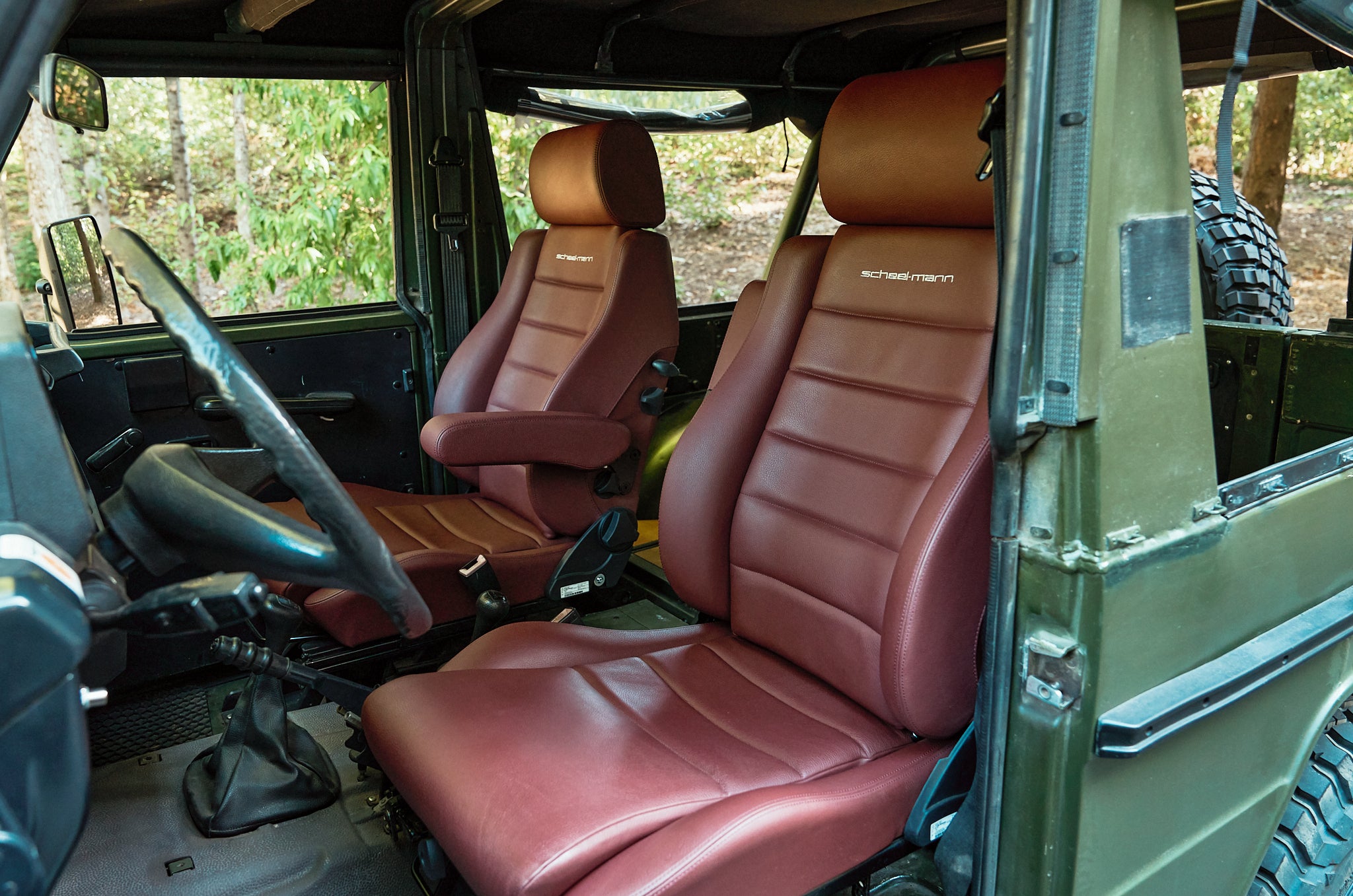
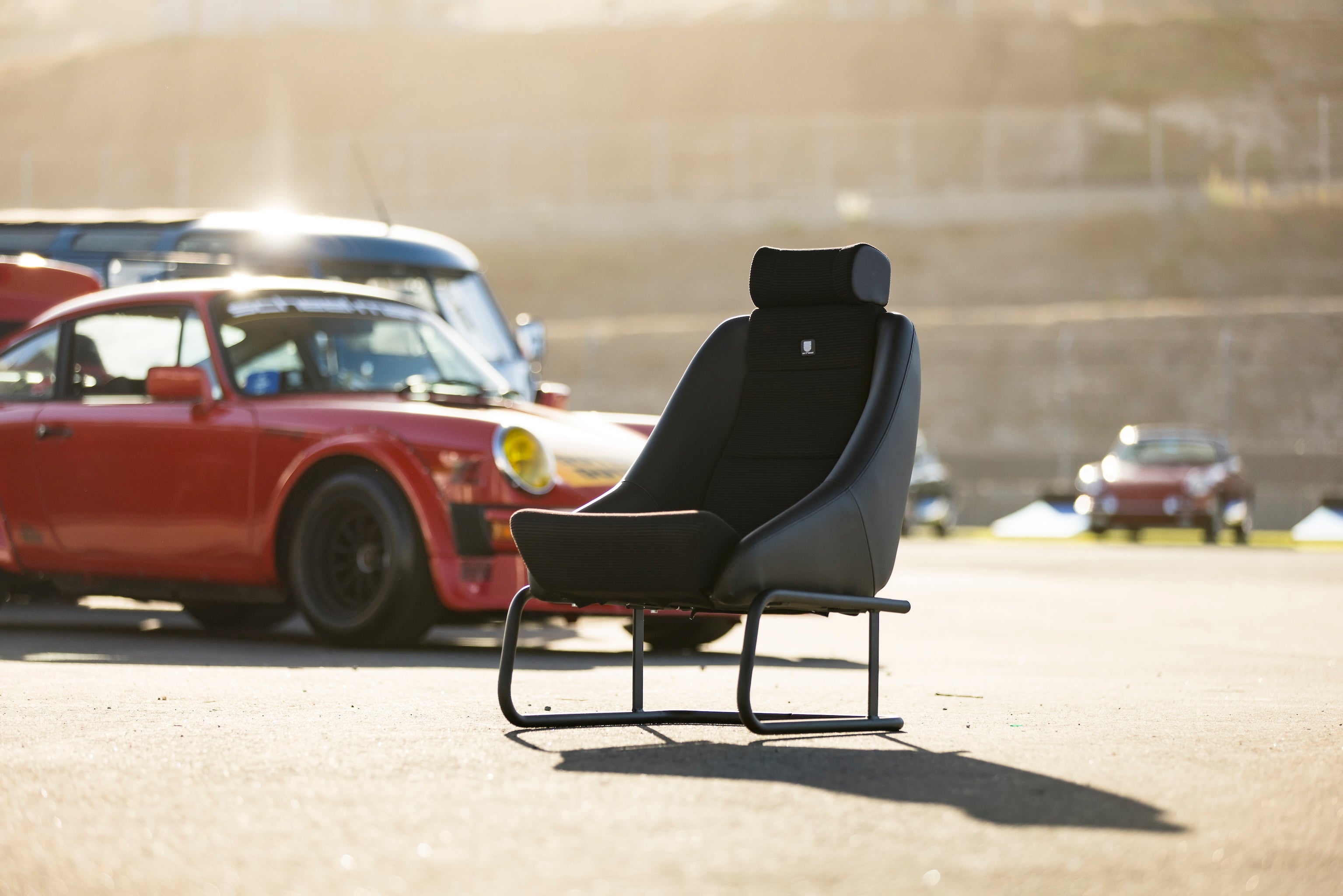
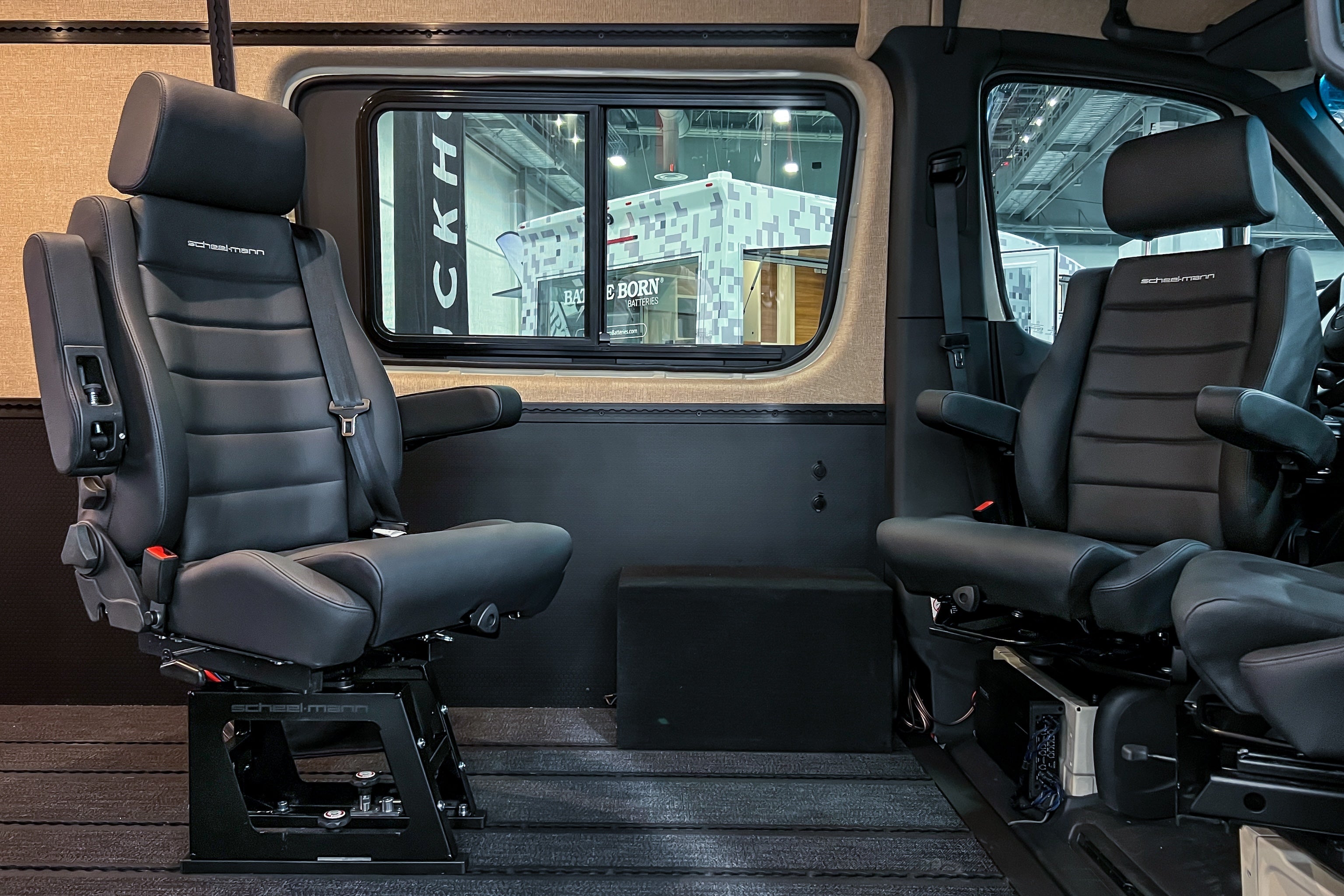
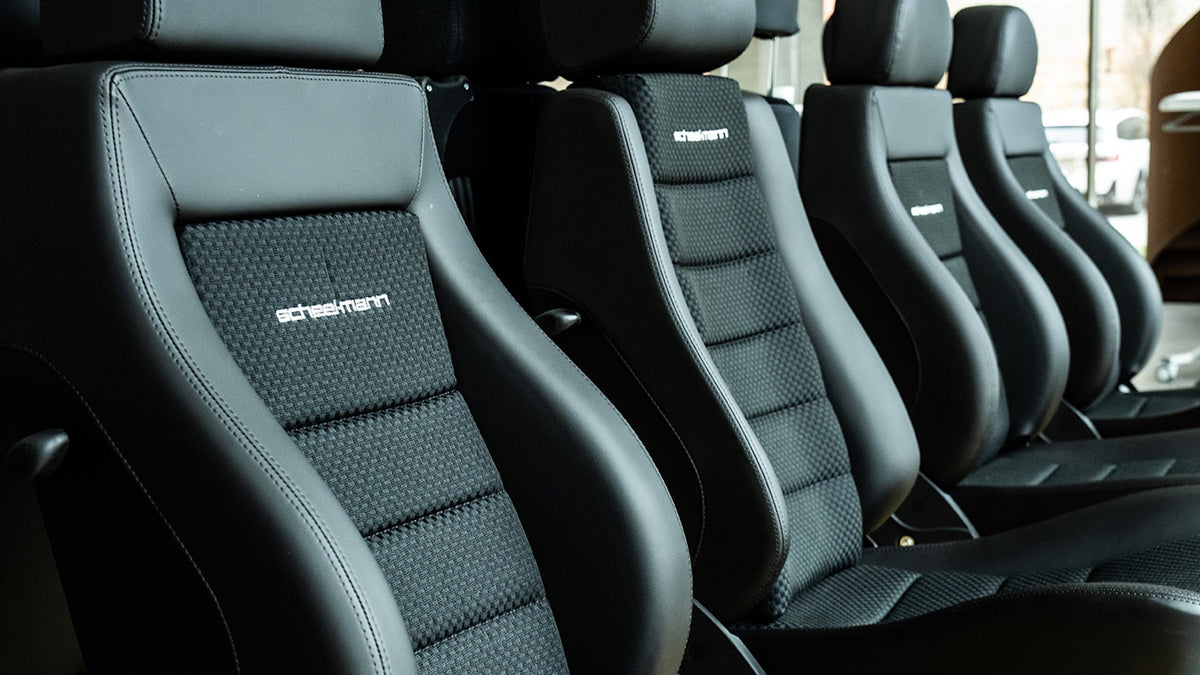
Most drivers start looking for the most comfortable aftermarket car seat after the same experience: a long drive that ended with a sore back, numb legs, or both. The factory seat was designed to fit an average driver reasonably well. Comfort over real distance comes from a seat that fits you specifically, and a handful of features decide whether it can. When a car seat supports the body properly, the spine holds its natural shape and the muscles no longer have to work to keep you in position. The back pain and fatigue that would normally build over hours behind the wheel are slower to arrive, and you step out at the end of a long drive feeling closer to how you felt when you got in.
Supportive versus soft car seats
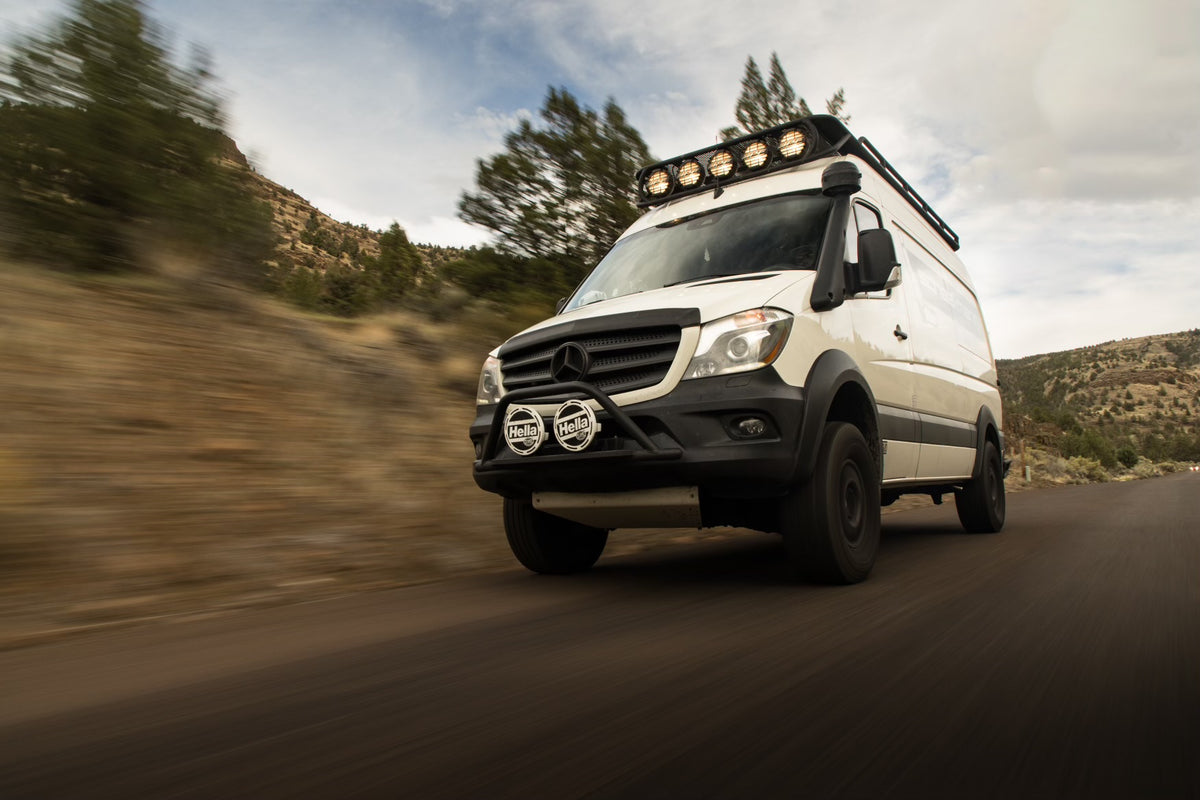
A soft, plush car seat can feel like the comfortable choice in a showroom or living room, where you are sitting still. On the road, the body is never still. Braking, cornering and the steady vibration of the road keep shifting your weight. Off road, in a truck or SUV on rutted backcountry trails and washboard gravel, that movement is amplified many times over, and the body is thrown side to side and up and down with every mile. A seat that simply gives way causes you to sink into it. Once that happens, the spine slumps out of its natural curve and the muscles of the back and core work constantly to hold you upright, which is where driving fatigue and lower back pain begin. A truly comfortable car seat is firm where it needs to be and shaped to the body, so it supports you through every mile rather than you collapsing into it.

Adjustability
A seat can only fit as many drivers as it has ways to adjust. Height, angle and recline are the beginning, not the end. The Vario F offers 14-way adjustability, so finding the right position is never a matter of compromise, only of adjustment. For a vehicle shared between drivers, that range matters twice over.

Lumbar support
The lower back carries the strain of a long drive more than anywhere else. Orthopedic lumbar support holds the spine in its natural curve rather than letting it collapse into the seat, and tunable lumbar support lets each driver set that curve to their own body. It is the single feature most drivers notice first.

Thigh support
A cushion that ends too early leaves the legs unsupported, and over hours that becomes fatigue and numbness. Adjustable-length thigh support extends the cushion to meet the leg, whatever the driver's height.

Bolstering
Side bolsters hold the body in place, but how much is right depends on the vehicle. Deep raised bolsters suit sports cars, where the seat should hold the driver through the corner. Flatter bolsters suit trucks and vans, where getting in and out of a tall cab matters more. We mark the difference plainly: R for raised, F for flatter. The Vario line of seats also add adjustable side bolsters for a fit that can be tightened or relaxed.


Seat back height
A seat back that ends below the shoulders leaves the upper back working on its own. For drivers over 6', the XXL versions of our seats add 3" of additional seat back height for better support. This also helps drivers with longer torsos.

Climate
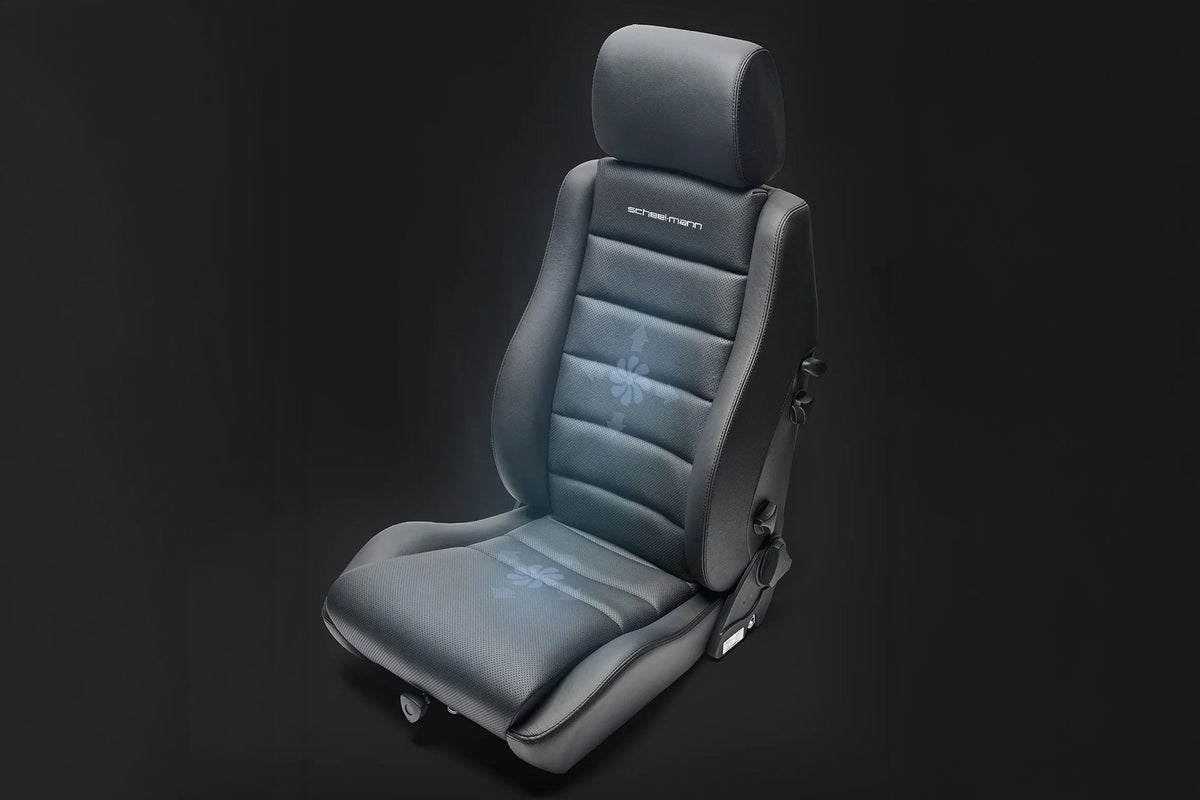
Comfort is also temperature. Heat keeps muscles relaxed on cold mornings, and active ventilation, as on our Klima seats, keeps a long summer drive from becoming an endurance test. Breathable upholstery such as basketweave cloth helps further. We explain how ventilated car seats work in a separate guide.

Fit to the vehicle
The most comfortable seat still has to sit correctly in the cab. A vehicle-specific seat bracket adapter kit places the seat at the right height and position for that vehicle, rather than leaving the driver to work around a universal mount.

Finding your seat
No single seat is right for every driver or every vehicle, which is why we prefer to talk it through. Call 503-395-4087 or email info@scheel-mann.com, and we'll help you find the seat that fits both.

Leave a comment
This site is protected by hCaptcha and the hCaptcha Privacy Policy and Terms of Service apply.